Showing posts with label fiction. Show all posts

Sunday, June 28, 2026

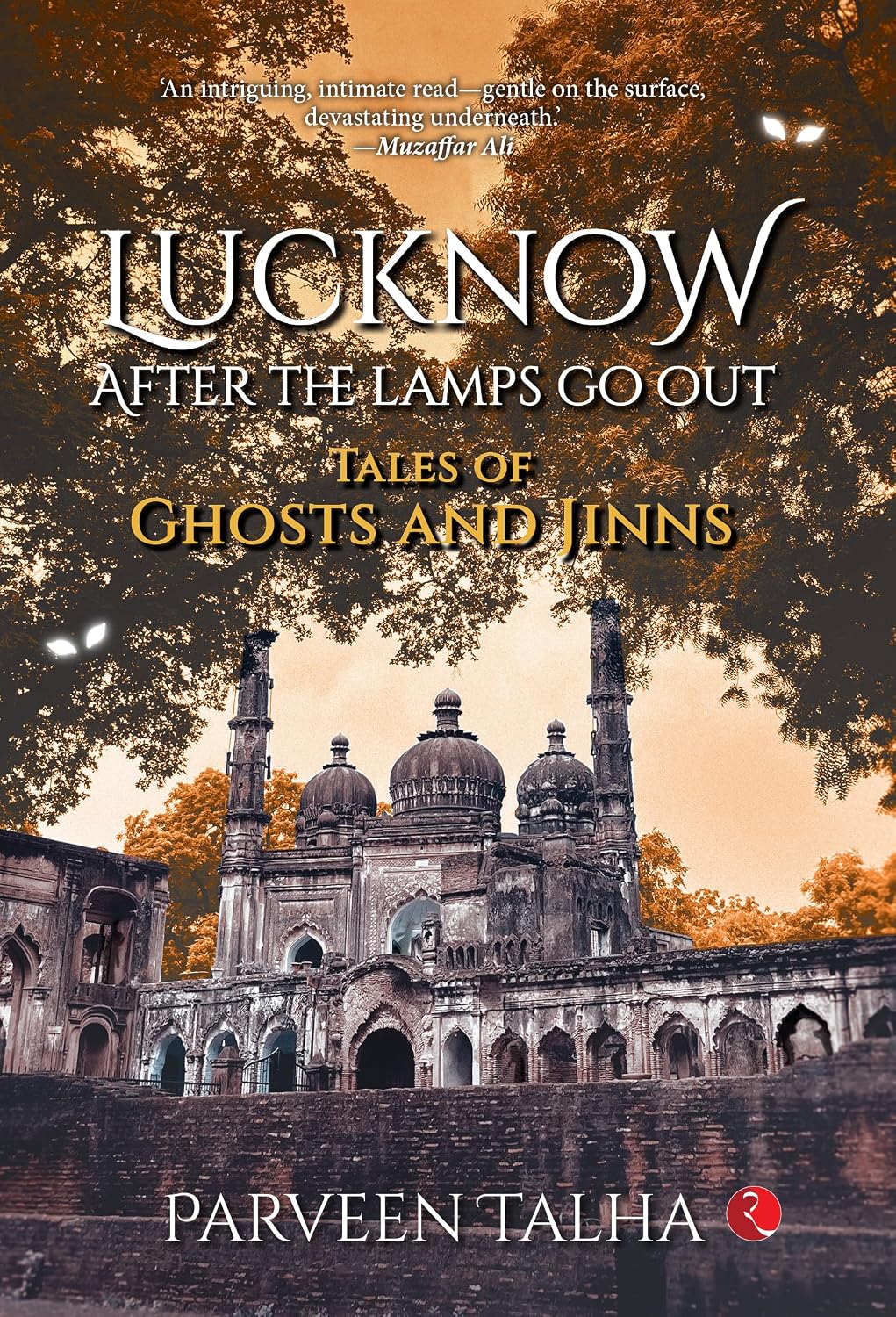
Lucknow, After the Lamps Go Out by Parveen Talha (Book Review: 4*/5) !!!


11th Book of 2026


Whenever we hear the words ghost stories, we usually expect haunted mansions, eerie forests, or terrifying supernatural encounters. However, Lucknow, After the Lamps Go Out: Tales of Ghosts and Jinns by Parveen Talha offers something far more fascinating. It is less about frightening the reader and more about introducing them to the rich folklore, forgotten legends, and cultural beliefs that have quietly survived through generations in the City of Nawabs. The book is published by Rupa Publications in around 135 pages only which makes a perfect companion for you on a weekend or travel.


This is not a conventional horror novel. Instead, it is a beautifully woven collection of tales where history, mythology, superstition, faith, and human emotions coexist. As someone who enjoys stories rooted in local culture, I found this approach refreshing. The author doesn't merely narrate ghost stories; she preserves an entire oral tradition that might otherwise disappear with time.


What makes the book particularly engaging is its atmosphere. Lucknow itself becomes a character. Its old lanes, magnificent havelis, forgotten graveyards, ancient mosques, and silent corners provide the perfect backdrop for stories involving mysterious apparitions and elusive jinns. Even if you have never visited the city, the vivid descriptions transport you there, making you feel as though you are listening to these tales from an elderly storyteller on a quiet evening.


One aspect I appreciated throughout the book was the author's balanced narrative. She neither forces the reader to believe in the supernatural nor dismisses these stories as mere fiction. Instead, she presents them with respect, allowing readers to decide for themselves where folklore ends and reality begins. That neutrality adds authenticity to the storytelling.


The stories themselves vary in tone. Some are genuinely eerie, while others are melancholic, mysterious, or even philosophical. There are moments when you expect a shocking revelation, only to find yourself contemplating human fears, loneliness, faith, or destiny instead. This emotional depth prevents the collection from becoming repetitive and keeps the reader invested until the very end.


Parveen Talha's writing deserves special appreciation for its simplicity. Despite dealing with subjects that could easily become overly dramatic, her language remains elegant, measured, and accessible. She doesn't rely on exaggerated horror elements or unnecessary jump scares. Instead, she allows the setting, the characters, and the quiet mystery surrounding each incident to create a lingering sense of unease. That subtlety makes the stories far more effective than loud horror ever could.


The book also offers glimpses into Lucknow's cultural heritage, traditions, and social fabric. Readers unfamiliar with the city's history will appreciate how naturally these details are woven into the narratives without interrupting their flow. In many ways, this book serves as both a collection of supernatural tales and a tribute to the city's timeless charm.


What I particularly enjoyed was that the stories stay with you even after you finish reading. They don't necessarily make you afraid to switch off the lights, but they do make you wonder how many unexplained stories every old city quietly hides within its walls. The author successfully captures that thin line where imagination meets inherited belief.


Having said that, readers expecting fast-paced horror or edge-of-the-seat thrills may find the pace relatively gentle. This is a book best enjoyed slowly, almost like listening to bedtime stories narrated by someone who genuinely believes every word they are saying. The charm lies in its storytelling rather than its scares.


Overall, Lucknow, After the Lamps Go Out is an absorbing blend of folklore, history, mystery, and culture. It reminds us that every city has stories that never make it into history books but continue to live in whispers, legends, and memories passed from one generation to another. Parveen Talha has done a commendable job of preserving those whispers in written form.


If you appreciate regional folklore, atmospheric storytelling, and books that celebrate India's cultural heritage through unusual narratives, this collection deserves your attention. It is a gentle reminder that sometimes the most memorable ghost stories are not the ones that terrify us, but the ones that make us look at familiar places with completely new eyes. I really liked how few stories tells about these super natural elements providing justice to the human beings who didn’t get it otherwise. Overall, this was definitely a unique read. I would give this book 4 stars out of 5.

PURCHASE THE BOOK HERE

Thanks!


WRITING BUDDHA


The Great Indian Medico Masala by Dr Kumar Nirbhay (Book Review: 4.5*/5) !!!

  10th Book of 2026!


There are books that make you laugh. There are books that make you emotional. And then there are books that manage to do both within the span of just a few pages. The Great Indian Medico Masala by Dr. Kumar Nirbhay belongs to the third category. It is a delightful collection of stories inspired by the everyday life of a doctor, but calling it merely a "medical humour" book would be unfair. Beneath its wit lies an honest commentary on human nature, relationships, society, and the realities of life inside and outside hospitals. The book is published by Rupa Publications in around 210 pages.


One of the biggest strengths of the book is that it finds humour in situations that almost every Indian can relate to. The chapter on the "Chakkarometre" is a perfect example. It hilariously captures our national obsession with saying, "Doctor saab, chakkar aa raha hai," as if dizziness itself is a universal diagnosis. The exaggerated yet believable situations make you laugh because you've either witnessed them yourself or know someone who fits the description perfectly.


Another chapter that left me chuckling was the one where a patient justifies how a simple cat scratch could be more dangerous than a tiger attack. The confidence with which people create their own medical theories is something every doctor must have encountered countless times, and the author transforms such everyday absurdities into wonderfully entertaining stories.


Being someone who has travelled to my hometown by train throughout my life, the description of Bhusaval railway station brought an instant smile to my face. It is fascinating how a place we often pass without giving it much thought can become so memorable when described with warmth, wit, and nostalgia. Such moments make the book feel personal even when the stories themselves aren't yours.


However, the book isn't content with making readers laugh alone. Every now and then, Dr. Kumar Nirbhay shifts gears and reminds us that life inside hospitals often exposes the best and worst sides of humanity. One particularly impactful chapter narrates the story of a father who suffers a stroke. Initially, his son and daughter-in-law are devastated. But once the father's illness eventually secures a government job for the son, their grief quietly fades because their objective has been achieved. It is an uncomfortable story, not because it is unrealistic, but because it feels painfully plausible. Without becoming preachy, the author subtly questions changing family values and the transactional nature of some relationships.


Among the memorable characters in the book, Janu Bai deserves a special mention. She is entertaining, spirited, and deeply inspiring. Through her journey, the author beautifully highlights the resilience of women in rural India who overcome immense hardships to build independent lives. Her determination makes one realize that courage often has little to do with physical strength and everything to do with mental resolve. It is difficult not to admire her by the time her story concludes.


The emotional depth of the book reaches another level in chapters where the author reflects on loneliness, ageing, and children drifting away from their parents. These are moments where the laughter quietly gives way to silence. You may even find yourself with a lump in your throat as the emotional weight of these stories settles in. It is this seamless transition between comedy and compassion that makes the book far more than a collection of funny medical anecdotes.


Dr. Kumar Nirbhay's writing is simple, conversational, and refreshingly free from unnecessary complexity. His medical background undoubtedly lends authenticity to every story, but he never allows medical jargon to dominate the narrative. Instead, he writes for everyone. Whether you are a doctor, a medical student, or someone who has only visited hospitals as a patient, there is enough familiarity in these stories to keep you engaged. Many incidents are inspired by real-life experiences, making them feel genuine rather than manufactured for effect.


Overall, The Great Indian Medico Masala is an enjoyable blend of humour, satire, nostalgia, and emotion. It reminds us that hospitals are not merely places of illness; they are theatres where countless human stories unfold every single day. Some make us laugh, some leave us uncomfortable, and some stay with us long after the final page.


If you enjoy books that combine observational humour with meaningful life lessons, this one deserves a place on your bookshelf. It entertains generously but also leaves you reflecting on people, relationships, and the wonderfully chaotic nature of Indian society. That balance is what makes The Great Indian Medico Masala a satisfying and memorable read. My Rating for the book is 4.5* out of 5. Highly recommended!

 PURCHASE THE BOOK HERE

Thanks!


WRITING BUDDHA


Thursday, February 19, 2026

Pune Junction by Pranay Bhalerao (Book Review: 3.25*/5) !!!


2nd Book of 2026


There is always an excitement in reading one of your favourite authors trying a new genre. I remember feeling the same excitement when Chetan Bhagat, Ashwin Sanghi, and Amish Tripathi experimented with non-fiction, and I experienced a similar feeling when I saw Pranay’s update on social media about his attempt at a love story. I have finally finished reading his latest book, “Pune Junction,” which is around 270 pages long. It felt refreshing to read him writing a soft, emotional story after having read his dark and action-packed duologies and trilogies like The Lost World and The Kavaach series respectively.


Pranay’s writing style has been kept simple to cater to Gen-Z and young school- and college-going readers who do not enjoy complicated storytelling. This is a light read in terms of storyline and works perfectly as a travel companion or a relaxing weekend read. Pranay has structured the chapters interestingly—even though the timelines do not switch this time, the voice of narration does, as the story is told in the first person alternatively. The two main protagonists, Parth and Rucha, keep narrating their versions of the same storyline, with slight progression each time, which helps the reader move smoothly into the next scene.


The author has nicely created the setup of how a fresh college graduate enters the corporate world and finds everything new and different from his previous life. The way he describes the room of a bachelor employee, the habit of saving colleagues’ contacts names with company references, the new addiction to coffee, and how older employees prefer stepping outside the campus for tea or coffee despite free options at work—all these details feel relatable and authentic.


The characterization of both protagonists is well communicated. You get a clear glimpse of how anxious, nervous, and excited Parth is, while Rucha comes across as confident, ambitious, and a dreamer. Their initial interactions and subsequent dates are handled with restraint, without forcing unnecessary steamy scenes into the narrative. This shows Pranay’s confidence as a writer, as he avoids adding artificial elements merely to spice up the story. He works with a simple plot and builds the narration around it effectively. However, while reading the love story, you may be reminded of films like Saiyaara or Aashiqui 2, especially in the last one-third of the book where the setup feels quite similar. I personally wished the author had chosen a different direction, as it reduces the sense of freshness and makes it feel like another familiar love story.


While reading, I initially wondered why Pune as a city was repeatedly being brought into the conversations between the characters, but then it struck me that the title itself is based on the city. The author’s love for Pune is evident in the way he begins the journey from Shaniwar Wada and takes readers through different locations. However, I felt he could have explored the city more deeply by mentioning local cuisines and popular couple hotspots. That would have made the city feel more organically integrated into the love story rather than slightly forced in certain sections.


Talking about the drawbacks, I feel the simple storyline could have been comfortably wrapped up within 230–250 pages and did not necessarily require the current length. The author also needs to invest more in proofreading, as I noticed several typos and grammatical errors this time—something quite different from his earlier books, which were more polished. It felt as if the book went to print in a hurry. As mentioned earlier, the final section resembles several Bollywood films and books with similar storylines, making the ending somewhat predictable. I would rate this book 3.25 stars out of 5. Definitely not Pranay’s best work, but I am sure he will bounce back strongly with his next one. Do read it if you enjoy sweet and simple love stories.

 PURCHASE THE BOOK HERE

Thanks!


WRITING BUDDHA

Monday, December 15, 2025

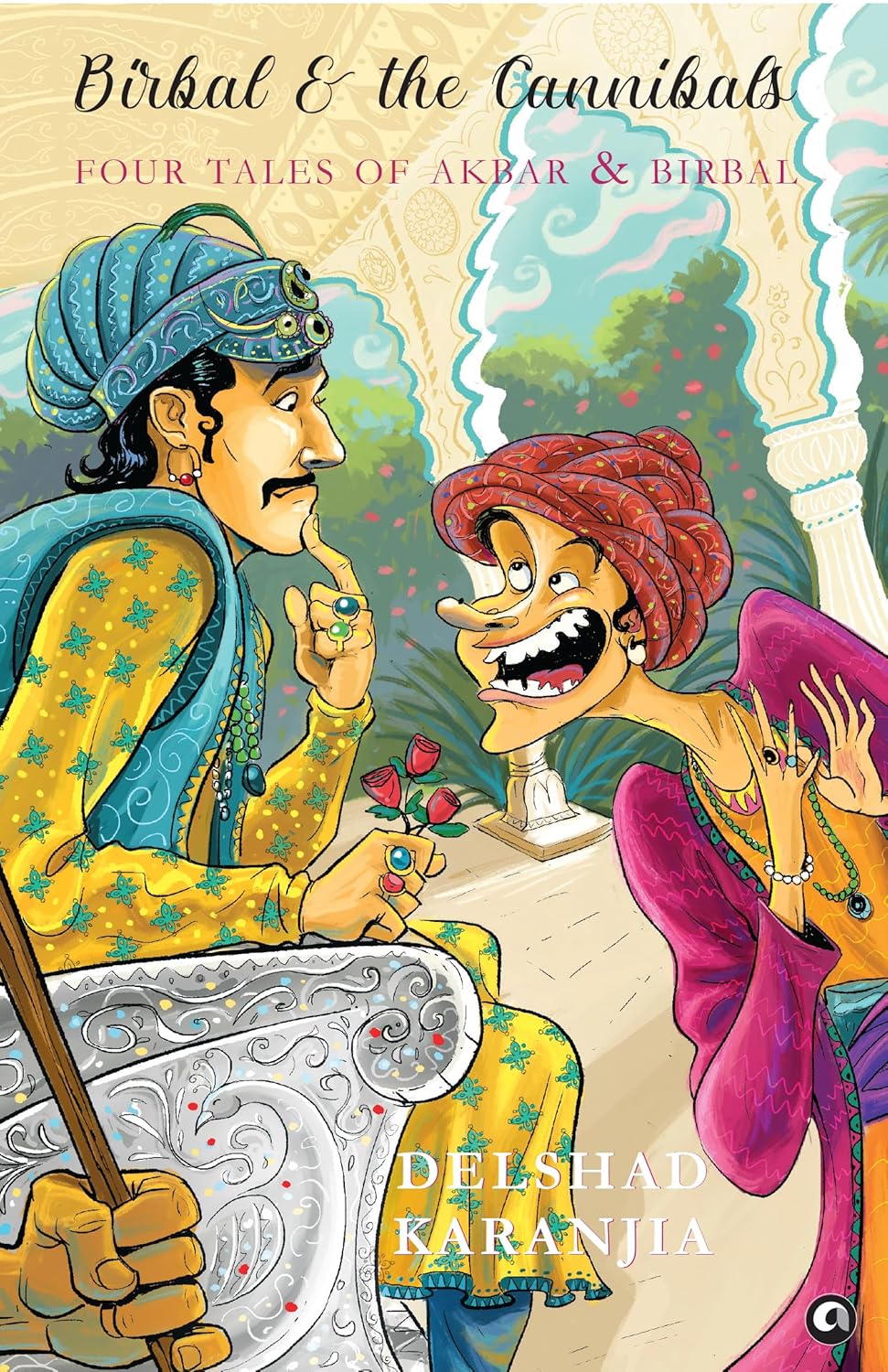
Birbal and the Cannibals by Delshad Karanjia (Book Review: 4.5*/5) !!!


20th Book of 2025

2025 has been a year of nostalgia and revisiting my childhood. I find myself picking up children’s books and, before gifting them to their future owners, ending up reading them myself. This time, I read “Birbal & the Cannibals,” which consists of four tales of Akbar and Birbal, beautifully rewritten and narrated by Delshad Karanjia. I am truly in awe of both the author and Aleph Publications for bringing these timeless stories back for the new generation.


All four stories in this book primarily highlight Birbal’s intellect and wit in an optimistic manner, making it an engaging read as one sees how he proves himself time and again. In one story, Akbar becomes furious after getting injured during a hunting expedition. However, the very same incident later saves him, and Birbal’s clever explanation of how these events ultimately helped both of them makes Akbar bow to him once again in respect.


In another story, the jealousy of the court members towards Akbar’s favoritism of Birbal is portrayed well. This leads to a situation where they are challenged to identify the real mother tongue of a man who can fluently speak multiple languages. When no one is able to determine his native language, Birbal comes up with a completely unique method to reveal the truth, once again proving in front of everyone why he is unmatched.


Similarly, one of the stories depicts how Birbal breaks a friendship to ensure that both the parents of the children involved are happy, so that the children can focus on their careers. This episode clearly reflects his sharp-mindedness and practical wisdom. The final story revolves around a painting competition between Birbal and Akbar’s brother-in-law, based on the theme of peace. Birbal’s artwork appears to be completely opposite to the theme at first glance, but the way he explains his perspective highlights the philosophical depth of his thinking. This story also helps children understand the deeper meaning behind art and creativity.


Overall, this book stands out as one of the best children’s books published by Aleph in recent times. I give it 4.5 stars out of 5.

PURCHASE THE BOOK HERE

Thanks!


WRITING BUDDHA


Sunday, December 14, 2025

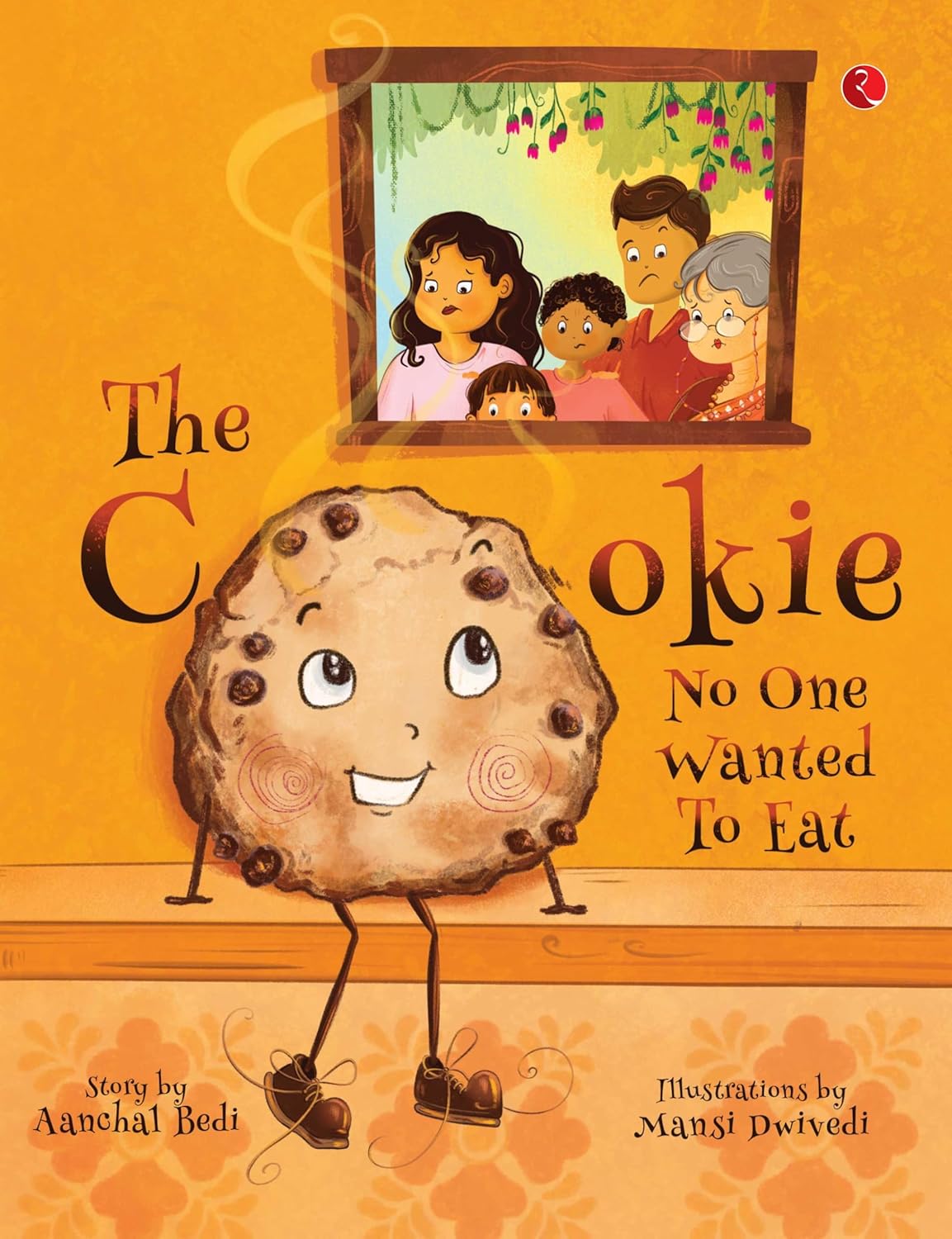
The Cookie No One Wanted To Eat by Aanchal Bedi (Book Review: 4.5*/5) !!!


18th Book of 2025

Children’s books often appear simple on the surface, but the best ones manage to carry messages that stay with readers long after the final page—sometimes even more so for adults than for children. The Cookie No One Wanted to Eat is one such book. It may be written for young readers, but its underlying message about self-worth, acceptance, and empathy feels relevant across age groups. The book is written by the authoress- Aanchal Bedi and beautifully illustrated by Mansi Dwivedi.


The story revolves around a freshly baked cookie that only wants to be loved and enjoyed. However, everyone who encounters it finds a reason not to accept it—too hot, too crunchy, too strong in flavour, or simply not to their liking. Through this repeated rejection, the cookie slowly begins to question its own worth. What works well here is how naturally the author mirrors a very human experience through a non-human character. The cookie’s confusion and disappointment feel familiar, even though the setting is playful and light-hearted.


The book uses rhyme effectively, making the narrative engaging and easy to read aloud. This rhythmic flow helps maintain a gentle pace, allowing children to stay attentive while absorbing the emotions embedded in the story. Without becoming heavy or preachy, the book subtly introduces the idea that not being accepted by everyone does not mean one lacks value. This is an important lesson, especially for children growing up in an environment where comparison and validation often begin early.


What I particularly liked is how the story does not rush towards its conclusion. The cookie’s emotional journey is given enough space to unfold, making the eventual realization feel earned rather than forced. When acceptance finally comes, it arrives not from those who initially rejected the cookie, but from those who truly needed it. This shift quietly reinforces the idea that belonging is not universal—it is personal.


The illustrations complement the narrative well, adding emotional depth without overpowering the text. The expressions, colours, and details help young readers connect with the cookie’s feelings, making the experience more immersive. Additionally, the activities, prompts and exercises at the end of the book are a thoughtful inclusion. They extend the story beyond reading, encouraging reflection, discussion, and emotional awareness—something parents and educators will appreciate.


Overall, The Cookie No One Wanted to Eat succeeds because it respects its young audience. It does not simplify emotions or offer unrealistic optimism. Instead, it acknowledges hurt, confusion, and rejection, while gently guiding readers towards self-acceptance and kindness. It is a book that can open meaningful conversations—about confidence, empathy, and the importance of being gentle with oneself.


This is a warm, thoughtful read that works equally well as a bedtime story or a classroom discussion starter. Sometimes, the simplest stories leave the deepest impressions, and this book is a good reminder of that. Overall, I give the book 4.5* out of 5. Get it for your younger ones!

PURCHASE THE BOOK HERE

Thanks

WRITING BUDDHA


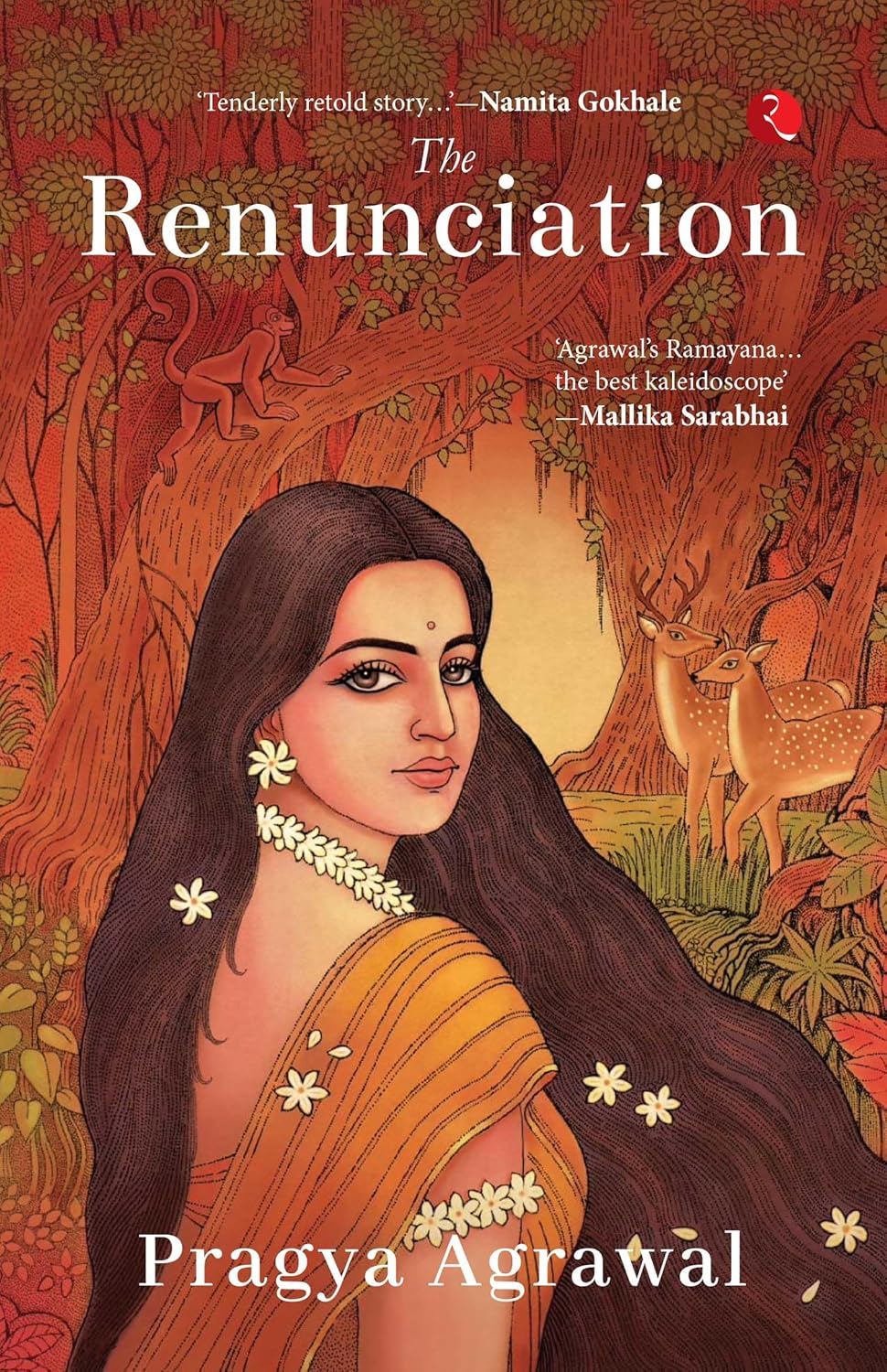
The Renunciation by Pragya Agrawal (Book Review: 3.75*/5) !!!


16th Book of 2025

Mythological retellings have become increasingly popular in recent years, but very few manage to strike a balance between reverence for the original text and a fresh, emotionally engaging perspective. The Renunciation by Pragya Agrawal succeeds in doing exactly that. Instead of retelling the Ramayana in its entirety, the book chooses to focus on one of its most painful yet profound chapters—Sita’s life after her exile, her motherhood, and her ultimate choice of dignity over belonging.


The story unfolds in the serene surroundings of Sage Valmiki’s hermitage, where Sita lives with her twin sons, Luv and Kush. Far removed from the grandeur of Ayodhya and the noise of royal expectations, this setting allows the reader to see Sita not as a divine symbol, but as a deeply human woman—one who loves fiercely, remembers painfully, and carries silence as both shield and strength. The author beautifully captures the emotional stillness of this phase of Sita’s life, making the forest almost a character in itself.


What stands out most in this retelling is the way Sita’s inner world is portrayed. Her suffering is not dramatized unnecessarily, nor is it reduced to victimhood. Instead, it is presented as lived experience—layered with love, disappointment, courage, and unwavering self-respect. The scenes between Sita and her sons are particularly touching. Her maternal instincts, her protectiveness, and her quiet fear of the truth one day surfacing are written with great sensitivity. These moments give the book its emotional core.


The narrative gains further depth when Valmiki teaches Luv and Kush to sing the Ramayana, unknowingly narrating the life story of their own parents. This irony is handled with subtlety, allowing readers to feel Sita’s internal conflict without overt exposition. The past, which she has carefully sealed away, slowly begins to resurface—forcing her to confront memories she never truly escaped.


What I appreciated most about The Renunciation is that it does not attempt to judge the epic or its characters. Lord Ram is not diminished, nor is Sita elevated through comparison. Instead, the book gently highlights the emotional gaps within the larger narrative—spaces where Sita’s voice was often unheard. Her final act of renunciation is portrayed not as defeat, but as a conscious, powerful choice—one rooted in self-worth and inner clarity. The few pages are very emotional and once the book ended, it wasn’t easy for me to keep it aside and forget. It took me lot of days to come in terms with it.


Talking about few drawbacks, I feel that the sections of the story have been over-described which makes it boring to read the complete sentences at times and you feel like skipping few lines because they don’t take the story further. Similarly, I feel that there is lot to Sita’s character which could have been explored but kept away from the scope of the book which makes the readers feel incompleteness to her complete journey.


Overall, The Renunciation is a thoughtful, emotionally resonant retelling that invites readers to pause and reflect. It is less about spectacle and more about silence, endurance, and the courage it takes to let go. For readers who enjoy mythology told through introspection rather than grandeur, this book is a rewarding and memorable read. I’ll give this book 3.75* out of 5.

 PURCHASE THE BOOK HERE

Thanks

WRITING BUDDHA


Saturday, October 25, 2025

The Higher Education of Geetika Mehendiratta by Anuradha Marwah (Book Review: 4*/5)!!!


8th Book of 2025


I remember reading Anuradha Marwah’s Aunties of Vasant Kunj last year and enjoying it enough to rate it 4 out of 5. This year, I came across another book by her titled “The Higher Education of Geetika Mehendiratta.” I was surprised to see that she had written another book within a year, but only after reading the back cover did I realize that it was originally published in 1993. It has now been republished by Rupa Publications in 2025, spanning around 225 pages. Since the author had already impressed me with her previous work, I didn’t think twice before picking this one up.


The book reads like a chick-lit novel, the kind that became popular after Chetan Bhagat during the decade of 2010–2020. However, it’s fascinating to discover that Anuradha had written this story almost ten years before Bhagat even came into the picture. The language isn’t overly simple — it takes a little time to get into the rhythm — but her command over literary English becomes evident within the first few pages itself.


The character of Geetika begins by describing her locality, particularly her village named Desertvadi in Rajasthan. It’s fun to read such a fictional name because you can almost guess which real towns it might be inspired by. The author very wittily portrays the lifestyle of people living in such a place, completely detached from the urban way of life.


You also get a glimpse of how girls were ambitious even in those days, despite growing up in rural settings. Geetika’s dreams come true when she gets an opportunity to visit Lutyenabad — a full-blown city that people from Desertvadi aspire to reach. She makes the most of it, never restricting herself from making choices that would have been unthinkable back in her hometown. It’s exciting to read how she transforms her mindset and personality once she becomes a regular at Lutyenabad.


Her growing interest in boys, and the way her thoughts and feelings differ when she interacts with Andy and Ratish, are portrayed beautifully. You can clearly sense how a woman reflects deeply when it comes to marriage — knowing that compromise is inevitable; it’s only a matter of how much. Anuradha makes this dilemma very relatable through Geetika’s inner conflict.


Geetika’s experiences with her parents and in-laws reveal how she manages to liberate herself despite so many external factors trying to confine her. The book feels like a girl’s diary, chronicling her dreams while showing the heavy price she pays for living them each day. Her support from a few friends — and their surprise at her constant evolution — reflects the author’s understanding of how individuals often get trapped by societal expectations and slowly lose the ability to make unbiased decisions.


The last four lines of the book truly moved me — the part where Geetika speaks with her papa. It made me think about people who live courageously, knowing they’ll be judged even by their own family, yet choose to stay strong for what lies ahead.


Overall, The Higher Education of Geetika Mehendiratta was a joy to read. I give it 4 stars out of 5.

PURCHASE THE BOOK HERE

Thanks!
WRITING BUDDHA


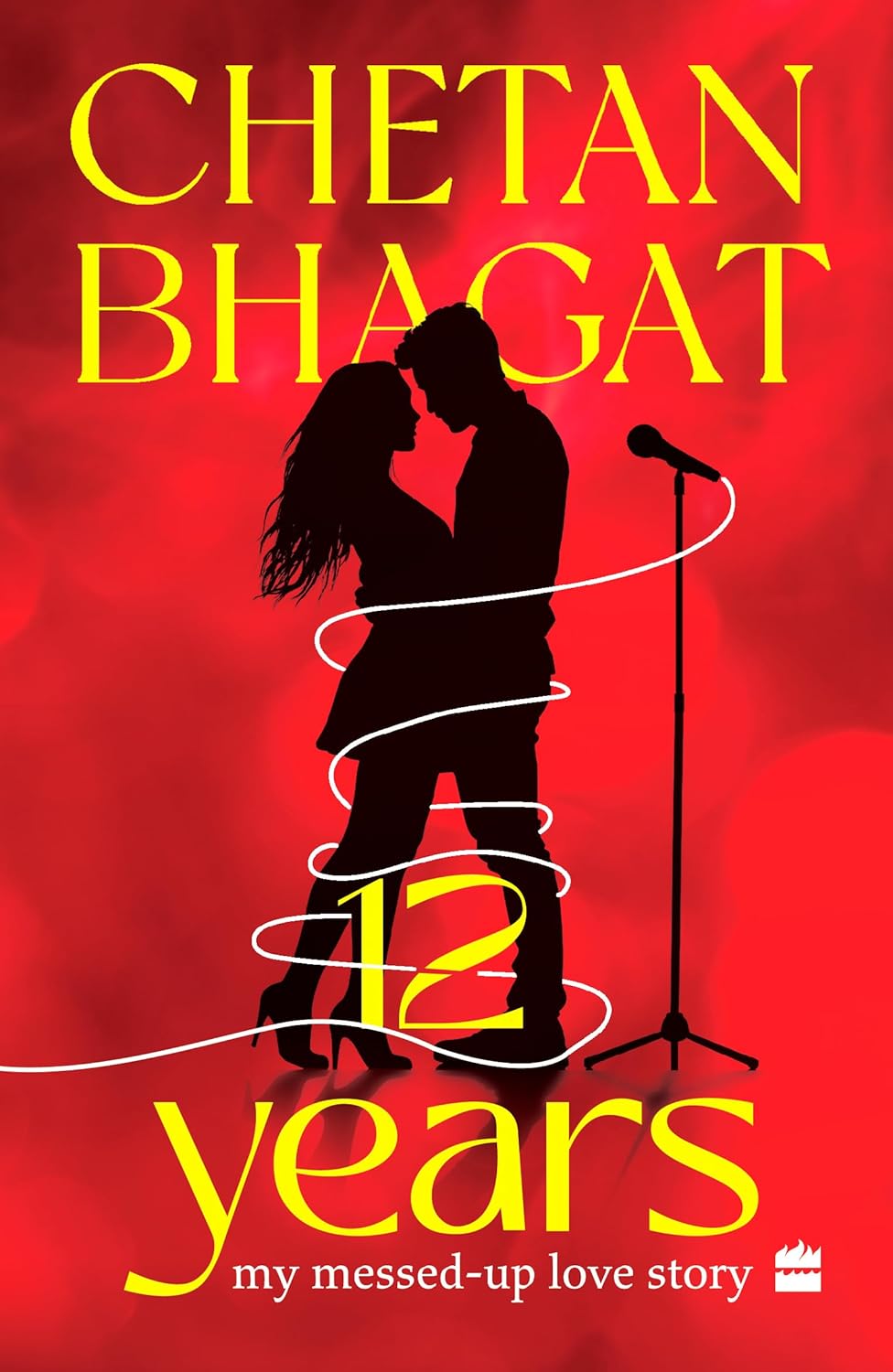
12 Years: My Messed-up Love Story by Chetan Bhagat (Book Review: 3*/5) !!!


7th Book of 2025!


Anyone who began their reading journey with Indian authors more than a decade and a half ago knows what Chetan Bhagat means to the Indian book ecosystem. If you haven’t read him, you probably don’t realize how his success paved the way for countless other authors to find a place in the Indian fiction section of bookstores. Having read all his previous books, I was quite excited about his new release, especially since it arrived after a four-year wait. I finished reading his latest novel — “12 Years: My Messed-up Love Story” — in just two sittings, despite it being his lengthiest book to date at 432 pages!


Chetan Bhagat returns to his signature style — easy narration, simple English, and a conversational tone — the very traits that brought him massive popularity back in 2005. The book flows effortlessly, allowing readers to get through it quickly and comfortably. It revolves around the love story of a 33-year-old man, Saket Khurana, and a 21-year-old woman, Payal Jain. Saket is recovering from the wounds of a divorce while trying to navigate a new career path, whereas Payal is stepping into the corporate world, finding her footing. The title 12 Years is aptly chosen, representing the age difference between the two protagonists.


At first glance, one might expect the story to focus primarily on the challenges the couple faces due to their age gap and differing ideologies. Surprisingly, though, they connect rather effortlessly. The initial dating conversations are engaging, and Bhagat effectively builds the personalities of both characters through those exchanges. The stand-up comedy scenes, a recurring element in the plot, are handled well — light, humorous, and easy to visualize. Alongside the main characters, Bhagat gives fair attention to the supporting ones too — whether it’s Saket’s friend, Payal’s parents, or her influencer best friend.


There are a few romantic and intimate scenes, written with the familiar flair that Bhagat is known for — something that has earned him both praise and trolling over the years. He executes them tastefully, making readers feel the same passion as the characters. The funniest moment in the book is when someone catches them in the middle of an intimate act — a scene that genuinely made me laugh out loud. I even made my friends read that part, and they all had the same reaction! Bhagat also injects humour through a Punjabi character’s perspective on the restrictive lifestyle of the Jain community but does so respectfully, ensuring it never comes across as offensive.


The story later shifts from Mumbai to Dubai, which adds freshness to the narrative. It’s rare to see Indian love stories travel beyond domestic settings, and the Dubai chapters add a nice visual variety. However, I wished Bhagat had explored the setting a bit more; it felt somewhat underutilized.


One major difference this time is Bhagat’s attempt to integrate real social issues into the storyline. He raises strong points about India’s gender-biased divorce laws that often work against men, the trend of unreasonable alimony demands, the social taboos surrounding caste, age gaps, and the “divorcee” label in matchmaking, the evolving dating culture, and the need for youngsters to balance career and relationships. He also highlights how marriages can fail without anyone being a “villain,” how Indian parents still try to impose their choices on children, the struggles of start-up funding, and how social media often masks the reality of people’s lives.


Despite being one of my go-to authors, I must admit that this book didn’t completely satisfy me. Bhagat’s return to love stories feels somewhat dated, offering nothing particularly fresh or groundbreaking, given his experience in the genre. His writing still caters largely to college-going readers rather than evolving to appeal to a wider, more mature audience. The narrative slows down noticeably in the second half, which affects the overall momentum. The plot also follows Bhagat’s familiar formula — two people fall in love, parental opposition arises, separation follows, and fate brings them together again. It feels a bit too Bollywood-esque, which can get repetitive.


I wish Bhagat had experimented more with the storyline, just as he did with the themes he courageously touched upon. The book could have benefited from tighter editing — it didn’t need to stretch to over 400 pages; somewhere around 250–300 would have sufficed. Moreover, the age-gap theme, while central to the title, doesn’t contribute much depth to the chemistry between the protagonists, making its prominence slightly puzzling.


Overall, “12 Years: My Messed-up Love Story” is a casual, breezy read that may appeal to new readers or young couples who enjoy light romantic fiction. For seasoned Bhagat readers or those seeking something deeper, it might not leave a lasting impact.

 PURCHASE THE BOOK HERE

 Rating: 3 out of 5


Thanks!
WRITING BUDDHA

Thursday, July 17, 2025

The Ayodhya Alliance by Ashwin Sanghi (Book Review: 4.5*/5) !!!


3rd Book of 2025!


There are few authors whose announcement of a new book brings you the same excitement as Tom Cruise’s fans who wait for his Mission Impossible series. Ashwin Sanghi, one of India’s top authors, have created the same fanbase and cult following where every new book seems like an opportunity to read the same conceptual novel but with a completely different storyline using the elements of ancient knowledge and strong Indian culture. I just completed reading one of the thickest books of my life named “The Ayodhya Alliance” which is Sanghi’s 8th book in his Bharat Collection. This book has the same flavour as his previous books and right from the word- GO- you can start feeling nostalgic of all his previous works read by you.


The Ayodhya Alliance mixes fact with fiction seamlessly which makes us question what is real and what has been written using creative liberty. The story navigates from 7000 years ago till the present time. It also makes you travel to different continents and countries such as India, Korea, Syria, Europe, Damascus, Switzerland etc. Even within India, it travels to different states and historical monuments. The way it ties all these places with the concept of Dvaitalingam which has the power to create harmony as well as massive destruction with its unique feature of managing the duality of everything under the umbrella is interesting. Every time the reference of two-fish design enters the story, the reader in you gets glued to the book.


The blend of history, mythology and religion is common in such books but the way Ashwin further marinates it with science, geopolitics, spirituality, anthropology, philosophy, archaeology and many other such concepts is unbelievable. His hard and smart work behind researching for this book is evident in every chapter. I was astonished at times that how could he even think of a concept and then find about it in subjects which are enough critical for us to understand it properly to blend it in our fiction story. This is what makes Sanghi a unique author and the reason why he is compared with popular foreign authors as well.


The book could become heavy and boring if it would consist all the above concepts that has been covered by Ashwin in his novel but he knows that he has to keep the readers hooked for more than 500 pages which makes him narrate his story bringing in the human emotions at play. The story revolves around friendship, betrayal, love, romance, childhood issues, jealousy, relationships etc. This makes him create few important characters who form the crux of this book such as Soju, Mithra, Suriratna, Bhadraketu, Padmasen, Indumati, Kulasekara etc.


The characterizations are wonderfully handled considering different personas belong to different region and language spread over different continents and timeline. I was completely engrossed in how the characters in different timelines are fighting for themselves and bigger purpose at the same time. The character of Aditya and Somi are equally important in the modern context. I just wished if the modern antagonists were also narrated as dangerous and powerful as Talhae who is based 2000 years ago.


Ashwin Sanghi’s respect for Indian culture and religion is evident from the way he narrates the characters and stories whenever it involves references from Ramayan/Mahabharat or mentions the names of Gods and Goddesses. Even the book starts with the plot where Ravan is on his deathbed and Ram sends his younger brother, Lakshman to learn whatever he can from a knowledgeable being like Ravan.


Talking about the drawbacks, I must say that the regular shift of story’s timeline with short chapters makes it difficult for readers to read it in fast pace. It takes an extra effort to regularly remember the storyline in each timeline and region. There are few chapters wherein I had created notes to refer later on in the story but I identified that there wasn’t much fallback to those subplots at all or didn’t have that impact. Sanghi could have easily shorten the book by 80-100 pages to make it more fast-paced. I was expecting a surprising revelation in the climax but it isn’t as thrilling as few books of Sanghi such as The Krishna Key.


Overall, reading this book has definitely given an unforgettable experience with its vast research and beautiful characterization based around the story distributed in several timelines. The mixture of multiple concepts blend into a single book keeps you in awe of both- the creator and the creation. The title of the book- The Ayodhya Alliance is very strategically handled in the story on how several countries are involved in safeguarding a concept that keeps them and the world harmonious. I give this book 4.5* out of 5. Recommended for the readers who have read similar books before. Beginners might find the story tough to read due to complex timeline shifts.

 PURCHASE THE BOOK HERE

Thanks!


WRITING BUDDHA


Tuesday, March 4, 2025

Trishul: Book 3 of KAVAACH Trilogy by Pranay Bhalerao (Book Review: 4.5*/5) !!!


1st Book of 2025

There are few books which makes you miss them as soon as you are done reading them. You are not able to move on from it to be able to pick your next read. There are few authors who are able to create this magic every time they release a book. I remember the phase when there were ample of trilogies releasing after The Shiva Trilogy’s success but none could create the same energy whereas some of them couldn’t even release all the parts as the initial books didn’t sell. One Indian author who has brought the same magic again with his trilogy is Pranay Bhalerao undoubtedly. I have just ended up reading the 3rd and the last book of The Kavaach Trilogy named “Trishul: The weapon of Lord Shiva”.


I completed this 328-pages book in just two days which is enough to explain how engaging it is. Pranay has been able to give a perfect closure to the story which was running for 3 years through 3 different thick books. He is a great craftsman who knows how to engage the millennial and Gen-Z readers in a mythological tale by embedding it with modernity. His writing style is very friendly wherein he ensures that he proves his mettle only with his story-telling rather than complicating the language of the book to sound intellectual. All the characters are created by him in both the timelines- 555 BCE and the present world yet when you read it you feel that these are famous characters which are being rewritten.


Bhalerao’s research work is phenomenal as his own reading experience of the ancient Indian stories is evident in the way he has created his own. He ensures that even when he is using the names of the ancient historical characters such as Karna or reference of Gods such as Lord Shiva, he is doing it with respect. The way he builds connection between the real characters and his characters’ storyline is again something a very good narrator can only do it. Like the previous two books, even this story is written where both the timelines are written in parallel but the transition is seamless. You never get confused while reading and enjoy moving into both the stories back to back.


All the cliffhangers and secrets that Pranay had held in the first two books are nicely disclosed in this book one-by-one. The 3rd book is very action-oriented and emotional – both at the same time. The past of Kaal which was a great interest is finally disclosed. Author explains the origin of the darkness behind his character and reading the whole part was such an exhilarating experience. The romantic angle between him and Nandini is one of the best love stories you would read in a book which is not even marketed as a romantic book. Haha! The scene when both of them gets apart in one of the sections is very tragic and you’ll have to fight tears to control yourself. The whole writing moved me and the impact of it is still with me.


How Kaal gets disassociated with his own teachers and how they become enemy for him is a nice twist to the story. Pranay also ensures that he hits some of the societal issues through his stories. For e.g. he discusses about menstruation and people’s reasoning of it for not letting females enter the religious ceremonies or temples during these 5 days. He does it so smoothly that it transforms your own thinking and doesn’t even sound preachy, forced or pretentious. He has regularly given insights into the lives of Aghori sages which helps us relate with them and understand their point of view as well.  Similarly, all of us have heard about Konark Temple but the way he has made its relevance and importance justified makes you visit it and feel its spiritual importance.


The Mahakumbh is one of the important backdrop of this book and reading it was such a beautiful feeling as the same is currently in talks every day on News channels and Social media. Kaal’s initial story is based in Mahakumbh and you will feel goosebumps while reading about his dip in the water. Author has helped us understand about this religious event in a very subtle manner. Pranay’s writing makes us imagine all the eventful scenes- whether its action-packed, violent, emotional or something completely based in fantasy set-up. This is his main USP which makes this trilogy an important milestone in the self-publishing context.


I have rated both the previous books above 4 and I am going with 4.5 stars for Trishul – the 3rd book as well. This speaks enough how consistently beautiful this trilogy has been written. Pranay has never gone out of touch or tried experimenting with it differently than his original plan. I recommend the same to everyone who is interested in mythological books with a modern set-up. I am eagerly waiting to watch this story in its visual format as revealed by the author in the book. On top of that, I want to learn what next is Pranay writing. ðŸ˜Š

PURCHASE THE BOOK HERE

Thanks!


WRITING BUDDHA


Sunday, December 29, 2024

Ullu Bhai Ki Jagmagati Barat by Swati Sinha (Book Review: 4.25*/5) !!!

2131st BLOG POST

36th Book of 2024

Well, and finally I complete my reading target of 36 books by reading almost 22 books in last 2.5 months. After an unbelievable reading marathon, I chose to read Sonalika Publication’s Ullu Bhai Ki Jagmagati Barat which is a short Hindi story book for kids. This year I have read many books from their publications house which are meant for kids and I am jealous of the fact that I didn’t get such story books in my childhood to read.


This book is written by Swati Sinha with a great support from the illustrator, Sachi Shukla. Her illustrations and graphics bring life to the story. This book is perfectly designed for kids who have just started reading properly from the year of 5 and above. Swati Sinha’s story is about the King Lion announcing the marriage of an Owl which rejoices everyone. But it comes with a challenge wherein the owl’s marriage shall be performed during night when it becomes difficult to travel. A Small mongoose then comes up with an idea which helps them beat this challenge.


Any story meant for kids is incomplete if it doesn’t come up with a moral. Swati takes extreme care about this and involves a lot of lessons in this short story. It teaches about the teamwork as to how everyone can sit together and come to a decision. It also signifies the importance of considering everyone’s intelligence equal and allowing everyone to speak.


It reflects upon how even the smallest of insects can also help the whole group of animals in the jungle for which even the King Lion didn’t have any solution. Author emphasizes on friendship and how it helps everyone in the process.


The book further ends with few DIY exercises for children which will push their creativity. Overall, this is a good initiative Sonalika CSR group to spread knowledge among young kids and develop them into better and compassionate human beings. I give this book 4.25 stars out of 5.

 PURCHASE THE BOOK HERE

Thanks!


WRITING BUDDHA


Monday, November 18, 2024

Quills: The Hungry Little Porcupine by Shibani Alter (Book Review: 4*/5) !!!


30th Book of 2024

After reading 3 books back-to-back by Stephen Alter, I finally got a chance to pick up the book written by his daughter, Shibani Alter was well. The name of the book is “Quills: The Hungry Little Porcupine” which is published by Aleph in around 30-pages. The book has almost the same aesthetics as the books written by Stephen in the same section for Aleph publications. The illustrations adding up to the story are created by Shruti Hemani.


Shibani has narrated this story in a very simple flow wherein the same loop repeats as the group of animal friends keeps getting increased one by one. Starting with a porcupine who has left his home in search of food gets scared every time he feels leopard is around him and ends up meeting one of his friends. The set of animals introduced in the story are pig, money, mongoose and goat.


The authoress has ensured that she helps the young readers understand the nature of each of the animal and their different skillsets using which they move to the distinct places for survival. Similarly, they bring back different kinds of food produced of different type of plants and lands. She has shown intelligence and presence of mind while scripting the story. The main feature of porcupine which is its quills which hides one of its important features that it can use to protect against harmful animals is revealed in the climax.


Overall, this is a well written simple story which the young readers would love to read repeatedly and share with their friends. I give this book 4 stars out of 5.

PURCHASE THE BOOK HERE

Thanks!


WRITING BUDDHA


If You Were a Tiger Cub by Stephen Alter (Book Review: 4.5*/5) !!!


29th Book of 2024

Stephen Alter is one of the very matured authors who know how to infuse the adult-based philosophies in a children book without making it difficult to understand. This is the 3rd children book I had read by him in just 2 days and I must say with each book I could sense his intention while creating the stories. This time I read “If you were a Tiger Cub” which has been published by Aleph in 30-pages. The book also consists of illustrations created by Mohit Suneja.


In If You Were a Tiger Cub, the author takes readers on an enchanting journey through the vibrant Indian jungle, where each creature is brought to life with vivid detail and unique traits. A playful tiger cub sets off on an adventurous exploration, encountering the jungle's diverse inhabitants. A sleek leopard moves silently through the undergrowth, while a hornbill perches high among the branches of a fig tree. Beyond a screen of bamboo, the majestic elephant makes a quiet yet commanding appearance.


The sharp call of a sambar deer serves as a sudden warning, urging careful observation—its swift departure reminds readers of its wariness. In a dimly lit cave, a swirling cluster of bats dangles from the ceiling, and a shaggy, fearsome sloth bear arrives, its powerful claws on display. Beneath the forest canopy, the jungle’s secrets unfold: tiny creatures scurry near a towering termite mound, while the roots of a sprawling banyan tree shelter hidden marvels. Through this poetic lens, the author paints a rich tapestry of the jungle, showcasing the beauty and distinct personalities of its wild residents.


Stephen wonderfully entertains his readers by making them imagine their life as a tiger cub. One hypothetical version of tiger cub that he mentions, he helps us feel relatable by explaining her relationship with her mother and two brothers. She tells how her brothers put less efforts in good task as compared to her whereas she can be called a tiger baby with good habits. Similarly, author also mentions how even she is dependent upon her brothers at times. The relationship between a mother and child is also given equal prominence and role of a mother is nicely depicted.


By the end of the book, I loved how author involves a human being in the story without having highlighted it specifically. That was such a great section to read and relate. Overall, this book is a good empathetical work which makes you feel more compassionate and related to the world of animals. I give this book 4.5 stars out of 5.

PURCHASE THE BOOK HERE

Thanks!


WRITING BUDDHA


How the Cobra Got His Spectacles by Stephen Alter (Book Review: 4.5*/5) !!!


28th Book of 2024

In India, we have multiple legends for any of the cultural aspect, festival, events etc. The positive thing about it is that we never debate or discuss about it but optimistically accept it considering it to be truth. Based on this concept, Stephen Alter has written this amazing short story named “How the Cobra got his Spectacles” which has been published by Aleph.


This 30-pages book discusses the Indian cobra’s regal hood which has a mark shaped like a pair of round spectacles. Author gets deeply into this concept and tries to creates a legend around it with a story that has a great message to it. First of all, the book starts with a introduction explaining about the breed and its special mark keeping it non-fiction. Then author dives down into the story and creates a wonderful tale about the relationship of an old hermit and a young naga.


Stephen has very intelligently helped us understand the complete characteristic of snakes. Unlike another book, A Little Lost Elephant, which has many animals mentioned but none explained in details, this book covers snake extensively and helps the readers connect with its personality. Even when the character of monkey enters the story, the nastiness of the animal is nicely displayed through its act of stealing the spectacles.


The whole flashback story/dream of the king etc. is nicely narrated which makes us believe it to be a reality. The ending is phenomenal which makes the readers learn that one who does good shall always be blessed by others and elders. Similarly, your good deed shall always be remembered for ages. Overall, the book has been nicely conceptualized and story has been told in a very realistic manner. I give this book 4.5 stars out of 5.

 PURCHASE THE BOOK HERE

Thanks!


Writing Buddha


How the Greedy Crane Was Killed by the Clever Crab by Meena Arora Nayak (Book Review: 4.5*/5) !!!


27th Book of 2024

If there is one collection of short stories that everyone remember from their childhood is – it’s none other than Panchatantra. The Panchatantra is an ancient Indian collection of interrelated animal fables in Sanskrit verse and prose, arranged within a frame story. It’s intent of making children learn about animals as well as our culture through stories are dominant in all its short stories. I just read a book which has two of their short stories retold by Meena Arora Nayak in a book published by Aleph in around 32 pages.


The two stories included are “How the greedy crane was killed by the clever crab” and “The Tale of the Fearful Rakshasa Vikala”. The first story about the crane and crab is such a great story to have chosen by the author as it teaches a very important lesson about life. It is as much effective for adults as it is for children. Once the suspense gets unfolded wherein crane’s harmful intention and act gets revealed, the way story takes turn and teaches the lesson about how anyone looking innocent and concern can’t be trusted on face value.


It also talks about the difference between a friend and an enemy. Also, how there can be an enemy in the form of a friend who might be close to us but must be planning things against us. This particular story has some tough words which might make the readers pick up the dictionary and learn a new word. I liked how author also mentions about our ancient methods of nakshatra and planetary movements which impacts the life on Earth. This tells how the ancient principles weren’t superstitious but scientific and logical as well.


The second story about Vikala is a light-tale which speaks about how a misunderstanding makes an evil person dig his own grave without having anyone else punish him. This teaches the reader how having wrong intention and doing wrong acts shall punish us later if not sooner. The concept of Karma is indirectly shared with the young readers to get an idea about how one shouldn’t trouble anyone as someday you shall be troubled as well. The involvement of animals in this story is also magically handled.


Overall, both these stories are impactful and retold in a beautiful manner. I give this book 4.5 stars out of 5.

PURCHASE THE BOOK HERE

Thanks!


WRITING BUDDHA


A Little Lost Elephant by Stephen Alter (Book Review: 3.5*/5) !!!

  26th Book of 2024

To ease off my reading marathon, I thought of getting nostalgic and read the books I would have read if I was 5-years old. This made me pick up few children books written by Stephen Alter. I started with the book “A Little Lost Elephant” which is a 40-pages book telling the story of a baby elephant who has got separated from his mother. He is marching throughout the jungle to find his mother back. In this path of search, he has to go through multiple challenges and survive against them.


Stephen has very intelligently included this aspect in his book which shall inculcate the behavior of fighting against all odds whenever you feel lost at life to meet your final goal you are anticipating to reach. Similarly, he makes the reader empathize with the protagonist which helps one to feel the pain of others as well. The illustrations in the book helps the readers to imagine the aesthetics in which the story has been based upon.


The author also tries the readers to get introduced with many animals such as leopard, jackals, woodpecker, civet, kittens, python, cobra, crocodile, mynah, peacock, grasshoppers, sloth bear, gaur, bull, chital deer etc. The story also tries to help us understand how elephant reacts upon meeting each of these animals. Similarly, the protagonist remembers what his mother used to do when she met with the dangerous animals and copies that to save himself. This teaches the skill of observation.


The book is hardcover hence it won’t get spoiled when the young readers would read it. They might get overwhelmed with the mention of many animals thrown back-to-back in the story which I believe author could have avoided. He must have mentioned only few animals but introduced all their characteristics with the readers. Overall, the book is interesting and you can gift it to young readers. I give it 3.5 stars out of 5.

PURCHASE THE BOOK HERE

Thanks!


WRITING BUDDHA


Sunday, November 17, 2024

The Grip of Greed by Naveen Kundra (Book Review: 4.5*/5)!!!


25th Book of 2024

It is always interesting to read books from the authors who return after their 1st book as the Book industry isn’t polite with every author. It is always great to see the 1st time authors becoming a regular in the shelfs of the bookstores. One such notifications that I received from Amazon was about the book release by the author, Naveen Kundra, whom I had first read in 2021. It didn’t take me a minute in ordering his 2nd book named “The Grip of Greed” published by Srishti Publication in around 225-pages.


Literally speaking, it just took me few hours and a single sitting to go through the whole book with an anticipation of what’ll happen next. I love how Naveen writes where he doesn’t mention thriller anywhere in the introduction or synopsis of the book but the moment you are done reading the first 10 pages of the book, it becomes a perfect page-turner where you aren’t allowed to move anymore but know what will happen in the end. As mentioned by the author in the introduction, the book is a tale of power, ego clashes, revenge and the murky world of politics.


From the story point of view, it sounds simple as there are two women, Tanvi and Soundarya, who are against each other but I really liked the backdrop set-up by the author where both of them are going through their lowest points in life. This makes them do some really nasty and unnecessary things including a killing set-up as well. Reading the way author has characterized both the women personalities is commendable. Both are strong, ambitious, similar to each other yet very different. This tells how strongly human psyche has been studied and utilized by the author while developing both the protagonists.


Naveen Kundra uses the characters working for politics or government services very intelligently and despite them being a side or supporting characters, their involvement in the story works as a catalyst. Also, I love the way he develops these characters using real-life references which keeps the readers interested in solving the puzzle if this is based on a real-life incident or a fictional work. This time, he has used the characters of a Chief Minister and Journalist wittily and how their support aggravates the game of the main protagonists is fun to read.


Similarly, he adds an angle of entrepreneurship, business and the dirty connection they have to make with other people in power is phenomenal. It opens our eyes about the society we are living in where everyone is right and wrong at the same time. The relationship of people with money is also explored in different ways which makes us think about the level up to which we can droop down for multiplying our wealth. There are many such moments in the story.


Naveen has kept the chapters short which makes it easy for the readers to grasp the story and still read it with fast pace. The story really becomes fast-paced in the pre-climax and climax and it’s fun to read how all the characters come together to bring the exciting end to the story. Overall, this is a fun read which you can pick on any weekend and finish in one-go. I give this book 4.5 stars out of 5.

PURCHASE THE BOOK HERE

Thanks!


WRITING BUDDHA


About Me

My photo
Book Reviewer | Movie Reviewer | Bibliophile | Business Analyst